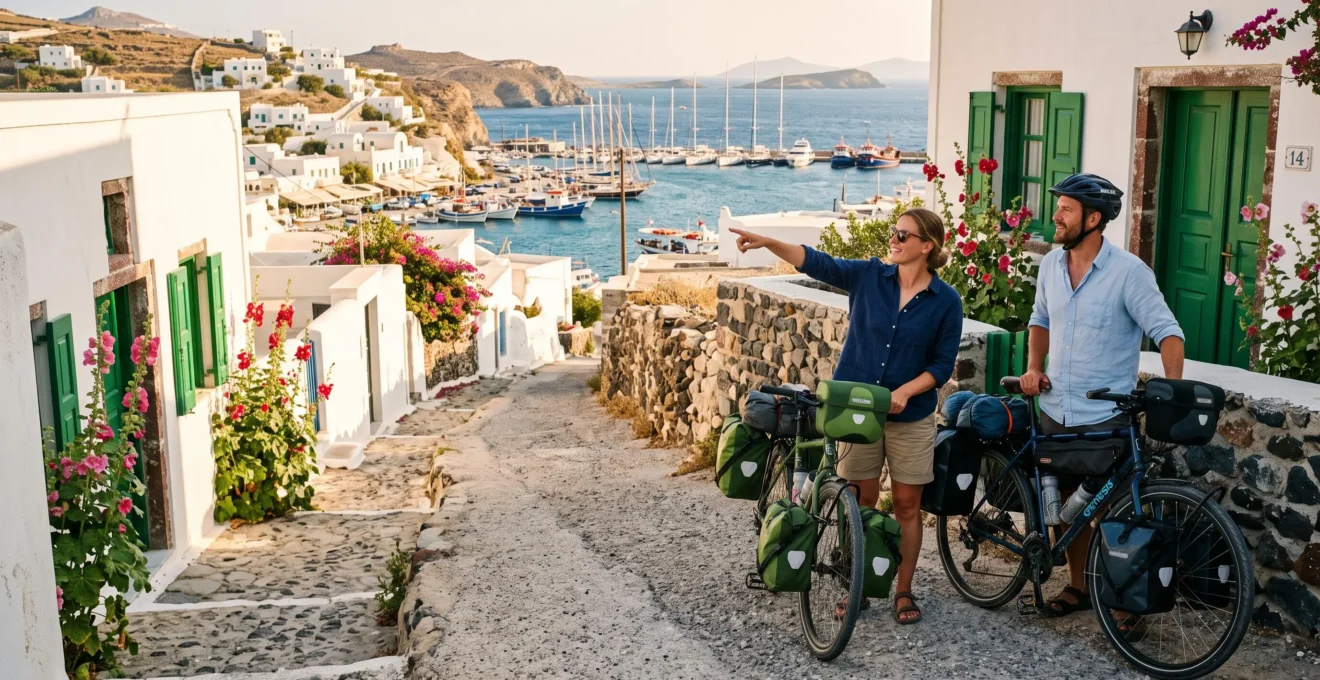
Pick the “right” village on Île de Ré and the island feels effortless: the beach is a short walk, evening harbour strolls start at your doorstep, and cycling days don’t begin with a long ride just to reach what you came for. Pick the wrong base, and you may still enjoy the island—but you’ll spend more time shuttling across it than you expected.
Direct answer: Saint-Martin-de-Ré suits travellers who want a lively harbour and a historic centre; La Flotte and Rivedoux-Plage work well for easy access and family-friendly routines; Ars-en-Ré and Les Portes-en-Ré are better if you’re prioritising quieter landscapes and the island’s wilder west.
This guide is designed for the moment you’re thinking, “Where to stay on Île de Ré?” It compares villages on the same practical criteria—atmosphere, beaches, cycling convenience, and seasonal feel—so you can book accommodation without paying a premium for a base that doesn’t match your trip.
How to shortlist your base village fast
- Want harbour life and evening buzz? Start with Saint-Martin-de-Ré (and consider nearby La Flotte if you prefer a slightly calmer feel).
- Travelling with kids and beach gear? Prioritise villages where beach + shops are easy to do on foot (often La Flotte or Rivedoux-Plage for first-timers).
- Planning to cycle everywhere without a car? Choose a village that matches the rides you’ll do most (west-coast marsh scenery vs east-side convenience).
- Looking for quiet? Focus on the smaller west/northwest communes such as Ars-en-Ré and Les Portes-en-Ré.
- Coming in July–August? Book earlier and expect the most “harbour” villages to feel busier.
Why Île de Ré Rewards Choosing the Right Village
On paper, Île de Ré looks simple: ten communes on a small island, linked by cycle paths and a single main axis. In practice, each village has its own rhythm—harbour evenings versus marsh sunsets, easy “grab breakfast and hit the beach” routines versus long, scenic rides before you reach the sand.
That difference matters even more on a short stay. If you have only a few days, your base village shapes what you do without planning: whether you naturally stroll around a port after dinner, whether you pop back easily for naps with young children, or whether you spend your best light cycling the salt marshes.
To compare villages realistically, it helps to keep the same decision criteria throughout:
- Atmosphere: animated harbour hub, residential village, or quieter nature-led commune.
- Day-to-day convenience: groceries, markets, and walkability once you’ve parked (or put the car away).
- Beaches and landscapes: more “family routine” sands versus a more open, wilder-feeling coastline.
- Cycling logic: where your most frequent rides begin and end.
If you want to explore the island’s broader feel before picking a base, the internal overview page island highlights can help you decide what you’re coming for: ports, beaches, marshes, or cycling days that link it all together.
Are the villages interchangeable if I plan to cycle everywhere?
Not really. Cycling makes Île de Ré easier to navigate, but it doesn’t erase the on-the-ground differences between villages. Your base still determines what’s “just there” in the evening, what’s feasible for a quick swim, and whether your everyday rides start with marsh scenery or busier streets.
A practical limit to keep in mind: without verified, recent official figures for ride times and distances by route, plan your days assuming you’ll do fewer “back-and-forth” trips than you imagine—especially in peak season when you may stop more often.
Which Village Suits Your Travel Style?
If you’re trying to choose the best village to stay on Île de Ré, start with your travel style—not a map. The most useful shortcut is to match each commune to the kind of holiday it supports best, then only compare two or three finalists for accommodation.
If I want harbour life and a historic centre, which village fits best?
Best fit: Saint-Martin-de-Ré. It’s widely described as the island’s “capital” and is known for a concentrated centre where you can fill evenings without getting back on a bike. As a base, it works for travellers who value atmosphere, dining choice, and that “walk out into town” feeling.
What to watch: that same centrality often makes it feel busier in high season—great if you want energy, less ideal if your priority is silence at night.
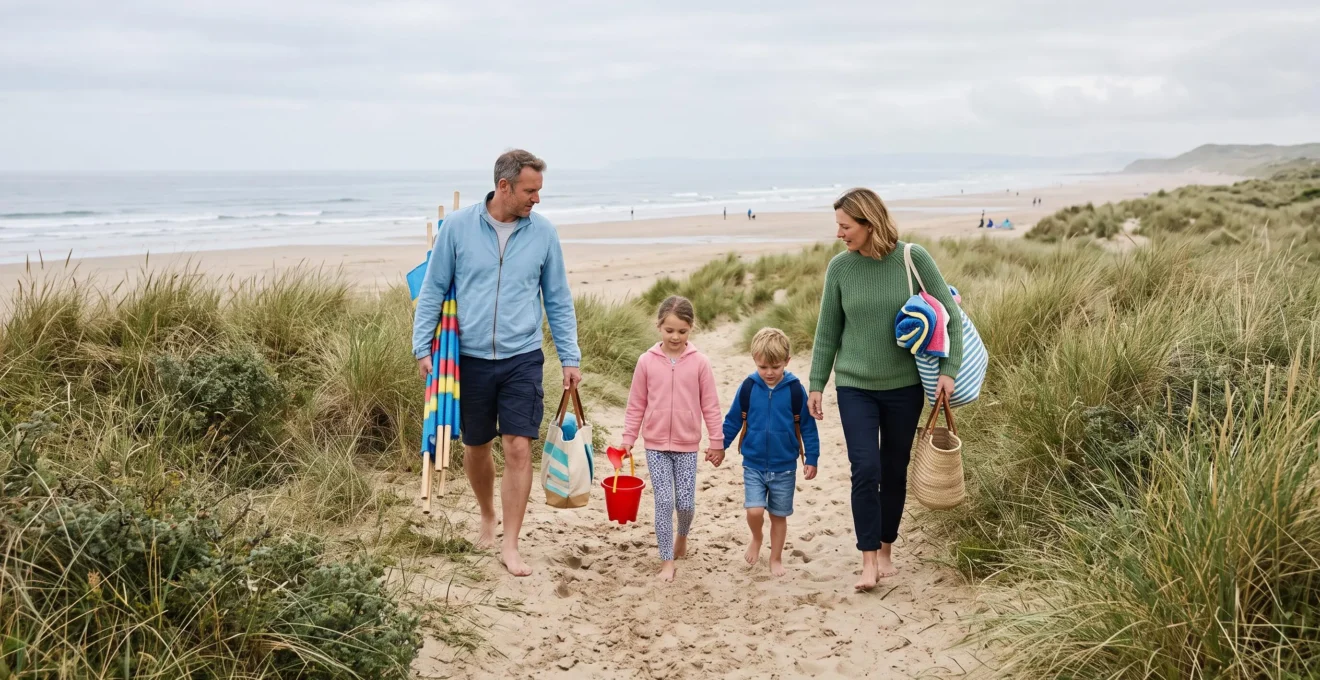
If I’m travelling as a family, where does it feel easiest day to day?
Best fit: La Flotte or Rivedoux-Plage. La Flotte is cited as the island’s largest settlement in general overviews, while Rivedoux-Plage sits closest to the bridge—two different reasons they can feel “simple” for first-timers organising groceries, beach time, and short outings.
Cas pratique
A hypothetical family with two young children wants a “walkable” routine: a beach day without a logistics marathon, plus shops close enough to avoid constant bike packing. Their shortlist starts with La Flotte (for a bigger-village feel) and Rivedoux-Plage (for quick access on arrival day). They then choose based on the exact location of the rental: can they reach the beach and essentials without crossing a busy axis road?
If I want quiet landscapes and salt marsh atmosphere, where should I base myself?
Best fit: Ars-en-Ré or Les Portes-en-Ré. These communes are among the smallest by resident population, which supports the idea that they can feel more low-key outside peak visitor flows. INSEE’s reference figures, for example, list 588 residents in Les Portes-en-Ré and 1,321 in Ars-en-Ré (data effective 1 January 2025) via INSEE village population figures.
What to watch: “quiet” doesn’t mean “no-one” in summer. It usually means fewer dense harbour streets and a bigger role for nature-led days.
If I’m relying on bikes rather than a car, which village should I pick?
Best fit: pick based on your main rides. If you expect to spend most days chasing open horizons and marsh scenery, a west-leaning base (Ars-en-Ré / Les Portes-en-Ré) reduces repeated cross-island returns. If you want to mix short rides with easy arrival/departure logistics, an east-side base (Rivedoux-Plage / La Flotte area) can feel more straightforward.
The key is to avoid paying for a “perfect” rental that’s perfect for someone else’s routes. Your ideal base is the one that makes your most frequent outing the easiest, not the one that looks best on a map screenshot.
Village-by-Village: What to Expect on the Ground
Once you’ve matched yourself to two or three likely bases, it’s time to think “on the ground”: what does the village feel like when you step outside in the morning, and what happens naturally at the end of the day?
One useful anchor: Île de Ré is split into ten communes, and Saint-Martin-de-Ré is commonly presented as the capital, with La Flotte often described as the largest settlement in general summaries. A neutral overview is available via Île de Ré administrative overview (secondary source; treat details as a starting point rather than official guidance).
West-coast communes: who are they best for?
Profile fit: travellers who want breathing space—big skies, salt marsh tones, and days paced around cycling and nature rather than harbour crowds. In villages such as Ars-en-Ré and Les Portes-en-Ré, you’re typically choosing landscape first, nightlife second.
How it plays out: you’re more likely to plan a “destination” evening (a specific dinner spot, a sunset viewpoint) rather than rely on stumbling into a lively quay every night. If your holiday ideal is to ride, stop, photograph, and snack slowly, these bases make that easier.
Harbour villages: who are they best for?
Profile fit: couples and groups who want their evenings to be as easy as their days. Saint-Martin-de-Ré is the obvious reference point if your trip includes browsing shops, sitting out with a drink, and walking a lit harbour after dinner.
How it plays out: you may trade some “total quiet” for convenience and choice. If you’re sensitive to bustle, focus on the exact street location within the commune, not just the village name.
Bridge-side and “easy arrival” villages: who are they best for?
Profile fit: first-timers, short breaks, and families who want to minimise “admin” on changeover day. Rivedoux-Plage, as the first commune when crossing the bridge, often works as a practical base when you’d rather start your holiday immediately than drive deep into the island after travel.
How it plays out: you might do more “island days out” (cycling to a port one day, chasing beaches another) rather than expecting your own village to provide the full evening programme.
What are the real differences between villages, in one comparison grid?
This grid keeps the comparison consistent so you can scan quickly. It’s not a ranking; it’s a “best for” match based on the kinds of experiences each base naturally supports.
| Travel priority | Village(s) that often fit | Why it fits (in practice) |
|---|---|---|
| Evening harbour atmosphere and a concentrated centre | Saint-Martin-de-Ré | Works well if you want to stroll, browse and dine without planning a ride home. |
| Family routine with easy “essentials” | La Flotte, Rivedoux-Plage | Often chosen for practical day-to-day organisation (arrival logistics, walkability, straightforward outings). |
| Quieter feel with marsh / open-horizon landscapes | Ars-en-Ré, Les Portes-en-Ré | Smaller-commune vibe and a stronger nature-led rhythm for cycling and scenery-focused days. |
When Should You Book Your Stay on Île de Ré?
If you’re aiming for a summer trip, booking timing is less about “finding a bargain” and more about avoiding a forced compromise on location. The island is intensely seasonal: the official Destination Île de Ré Tourist Office reports that around 92% of visitors arrive between April and October, with a large share in July–August, on its page about Île de Ré visitor season data.
That seasonality changes how each village feels. In harbour-focused bases, the contrast between shoulder season and mid-summer can be stark. In quieter communes, summer may still be busy, but the “busy” often shows up as fuller cycle paths and beaches rather than late-night noise.

So what’s a practical booking rule of thumb?
If you want July–August: start your search early enough that you can choose the village first, then the property. That’s how you avoid paying peak prices for a base that doesn’t suit your day-to-day holiday.
If you can travel in May–June or September: you’ll often get a more balanced version of the island—more breathing room in harbours and easier cycling—while still staying within the main visitor window highlighted by the Tourist Office.
Decision tip: if you’re torn between a lively harbour village and a quieter commune, let season decide—choose the harbour base in shoulder season, and the quieter base in high summer.
Planning Your Next Steps
Once you know which part of Île de Ré matches your holiday style, the next steps are simple and practical. The goal is to narrow to a shortlist you can actually book, without second-guessing.
- Pick your “non-negotiable”
Decide what must be easy every day: harbour evenings, a walkable beach routine, or quiet landscapes and cycling.
- Shortlist two or three villages
Use the profile matches above (harbour hub vs west-coast calm vs bridge-side convenience) to avoid comparing all ten communes at once.
- Validate the micro-location
Before you book, check how far the rental is from what you’ll do daily (beach access, shops, where your rides start).
- Match the village to the season
If you’re travelling in July–August, prioritise the base that will still feel comfortable when visitor numbers peak.
If your main worry is paying a high price for a poorly located stay, make your decision in this order: village first, then amenities, then aesthetics. That approach keeps you aligned with how you’ll actually spend your days—cycling, swimming, and walking—rather than with a listing’s photos.
Whatever you choose, you can make Île de Ré work brilliantly without overplanning—provided your base village matches your pace: family routine, harbour evenings, or long cycling days through salt-marsh landscapes.